

Brilliant finance professional. Second time working with him and am really pleased with his quality of work as well as professionalism
- Oliver Theodore
Vice President

Fractional technical leadership should do more than attend meetings and provide high level recommendations. Your technical advisor needs to understand the product, challenge decisions, when necessary, work with engineers, and help connect technology decisions to business priorities.
We understand that healthcare products must account for clinical and operational workflows, sensitive data, integrations, interoperability, security, and user trust.
Get senior technical guidance when you need it without immediately adding a permanent CTO position.
We connect architecture and engineering decisions to user needs, product priorities, business objectives, and the realities of your roadmap.
We help founders evaluate technical recommendations, architecture choices, estimates, vendors, and engineering decisions with greater confidence.
We translate strategy into priorities, technical direction, development practices, and actionable decisions for internal or external engineering teams.
We help establish technical foundations that can evolve as the product, team, users, integrations, and business grow.
“We needed someone who could understand both where the business was going and what our engineering team needed to get us there. Having senior technical leadership gave us much more confidence in our architecture, roadmap, and development decisions without requiring us to hire a full-time CTO immediately.”
Brilliant finance professional. Second time working with him and am really pleased with his quality of work as well as professionalism
- Oliver Theodore
Vice President
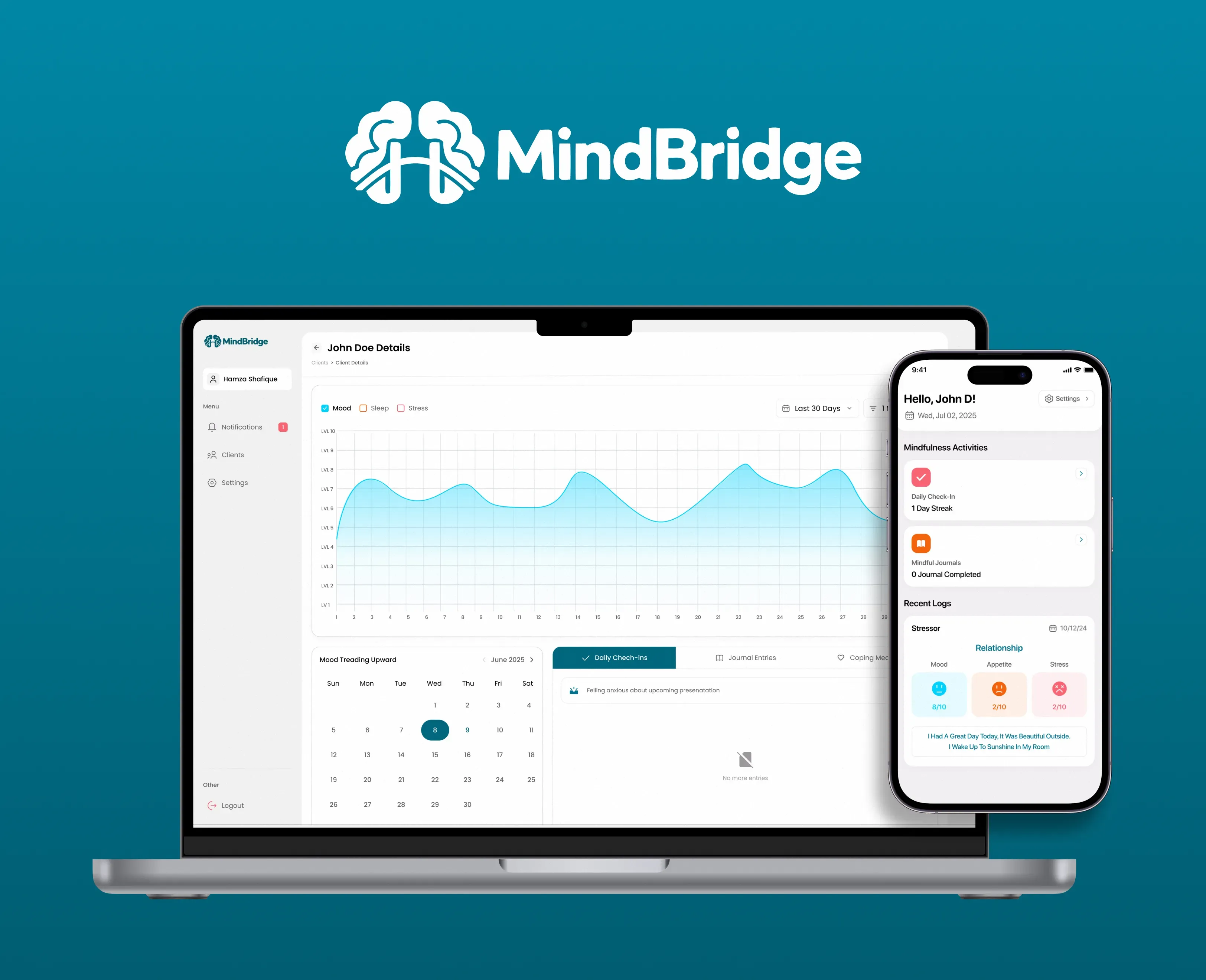
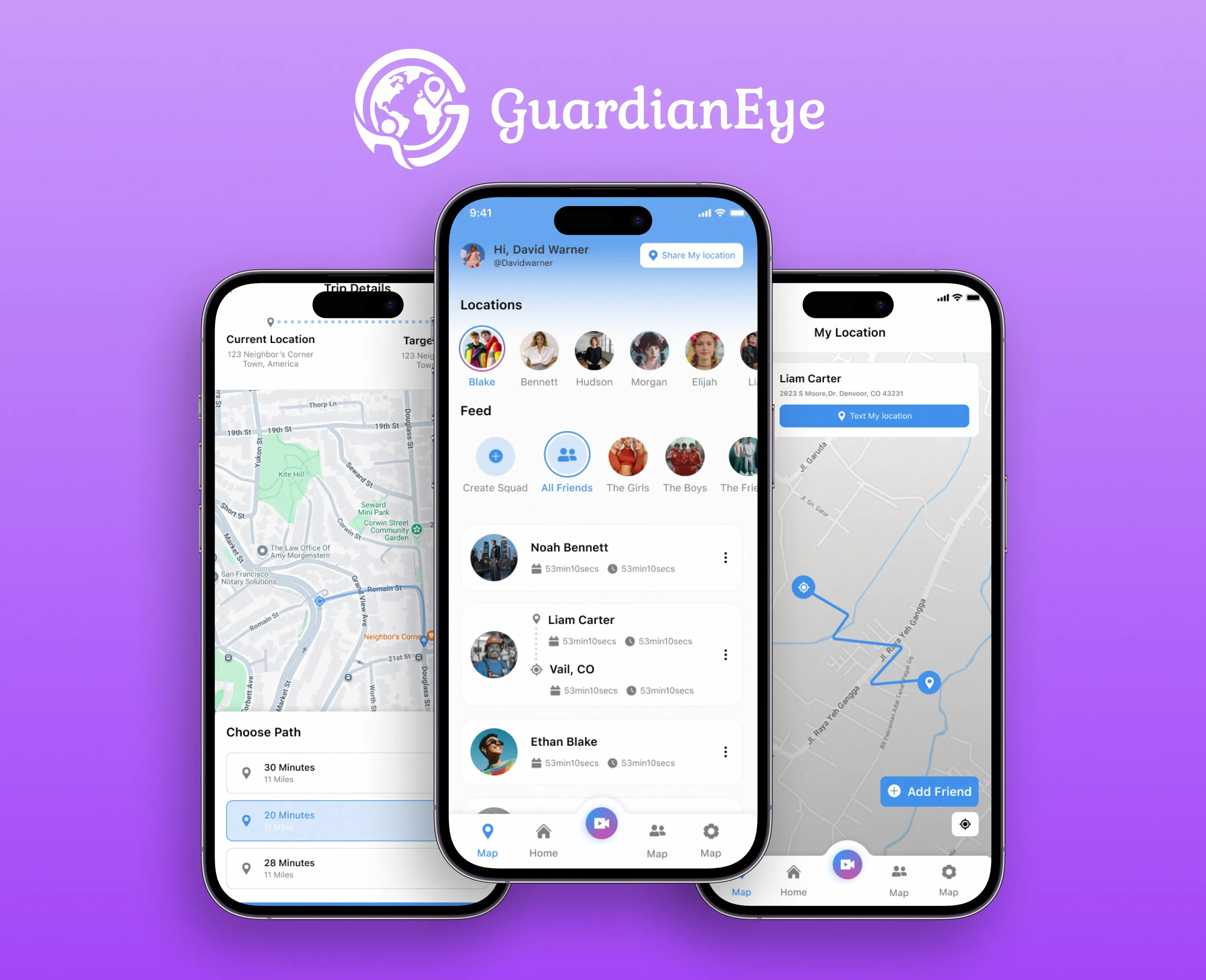
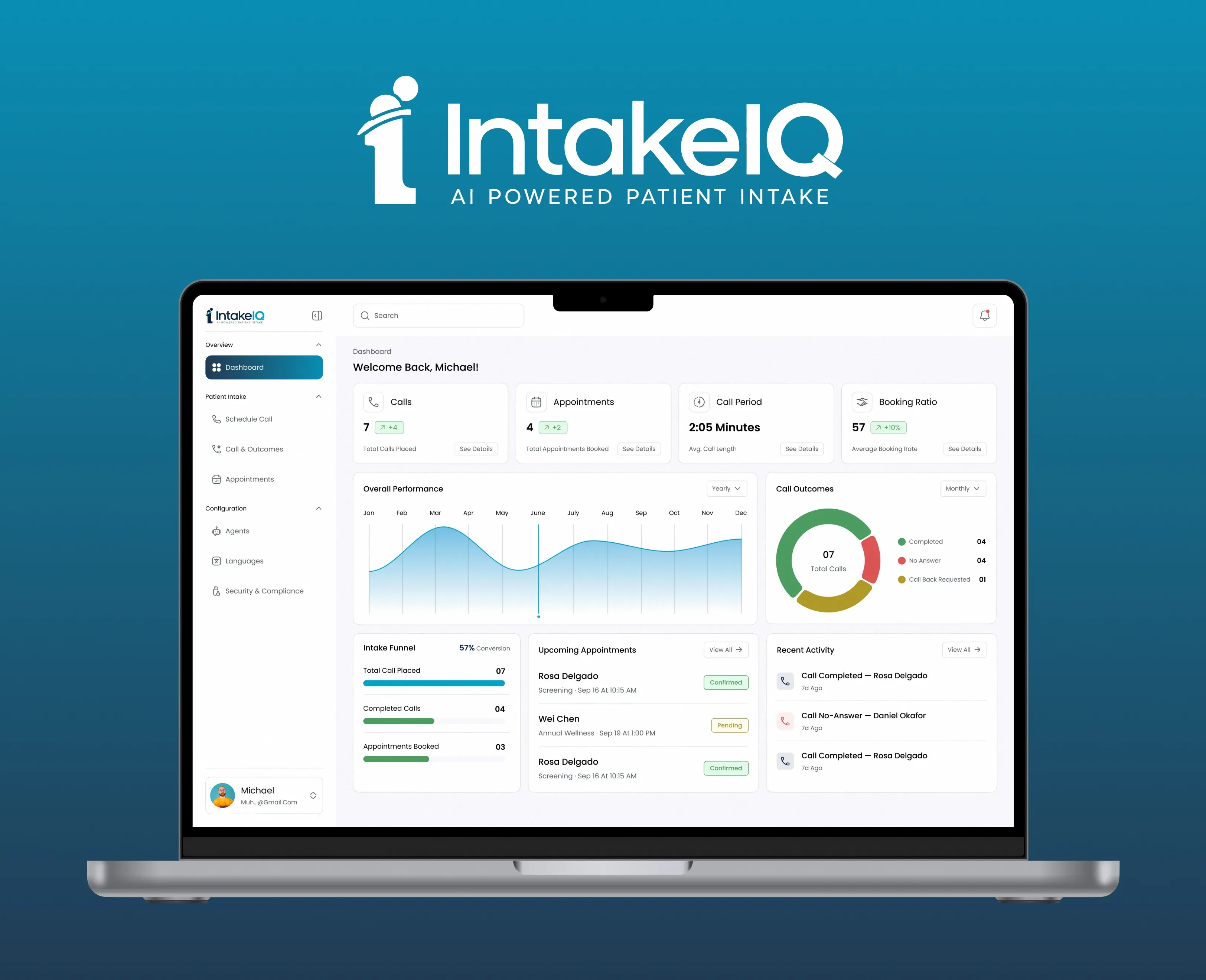
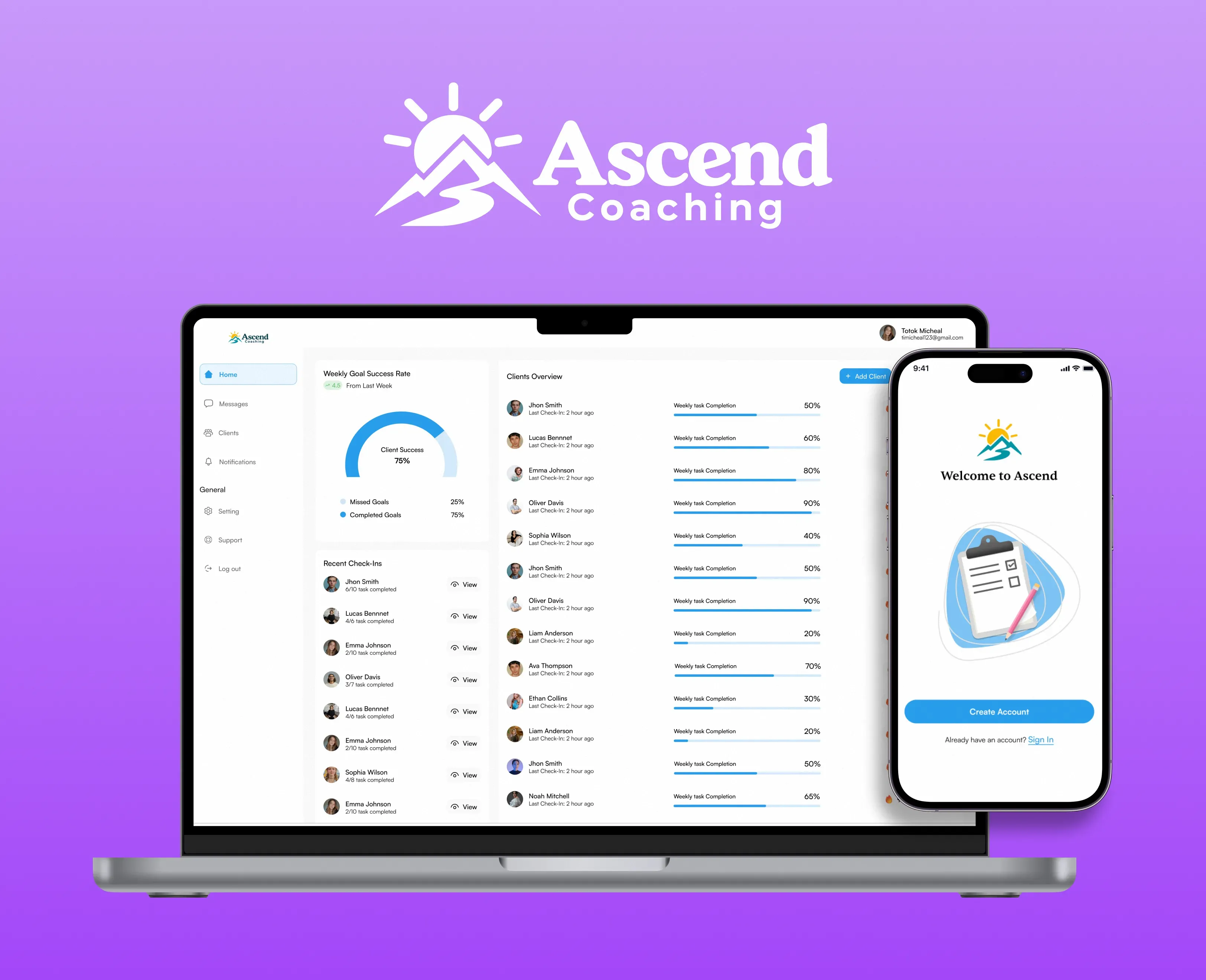
Speecto provides technical and product leadership for healthcare startups and established organizations at different stages from validating an early idea to building, launching, modernizing, and scaling digital healthcare platforms.
Supporting early stage teams with product strategy, validation, MVP development, and the technical foundation needed to launch and grow.
Building and improving scalable SaaS platforms designed for healthcare providers, organizations, and operational teams.
Creating digital products that help patients stay connected, informed, and engaged throughout their healthcare journey.
Developing solutions that simplify clinical processes, reduce repetitive work, and improve coordination between healthcare teams.
Helping teams build and scale platforms for remote consultations, virtual care delivery, and digital patient interactions.
Developing applications and platforms focused on fitness, wellness, coaching, habit tracking, and personalized health experiences.
Supporting healthcare teams in integrating AI for automation, insights, personalization, and more efficient workflows.
Building and modernizing secure, scalable applications designed for complex healthcare operations, multiple users, and growing organizations.
These are the concerns we hear repeatedly:
Not ready to employ a full time CTO, but need to have someone at a high level making technical choices.
We're not sure that our architecture will work where the product is going, so our developers are building, but not sure.
We need an engineer who can help us turn our product roadmap into a feasible engineering plan.
Working with an external development team and require independent technical oversight.
Investors are asking questions with regards to our technology, security, scalability and technical roadmap.
We have a growing engineering team, but there are deficiency in processes, ownership and technical direction.
.svg)
We provide hands-on technical and engineering leadership based on the stage of your healthcare startup, product, and team.

Translate business and product priorities into technical initiatives, architecture decisions, development phases, and realistic engineering priorities.
How we turn ideas into solutions
We don't start with the technology stack. We first understand the product, users, business model, stage of the company, current roadmap, team, funding constraints, and the outcomes leadership is trying to achieve.
Technology strategy should support the company not become a separate engineering exercise.
We review the existing architecture, codebase, infrastructure, integrations, development practices, engineering team, technical debt, and delivery process.
This gives leadership a clearer picture of what is working, what creates risk, and what actually needs attention.
Early stage companies cannot solve every technical problem at once.
We distinguish between issues that genuinely affect product delivery, reliability, security, scalability, or future growth and improvements that can reasonably wait.
Product roadmaps need technical reality behind them.
We help translate features and business objectives into architecture decisions, engineering initiatives, dependencies, development priorities, and achievable delivery plans.
We work with internal engineers, contractors, or external development partners to improve technical decision-making, ownership, communication, code quality, and delivery practices.
The goal is not to create another management layer. It is to give the team enough direction to make better decisions and move efficiently.
As the startup grows, its technical needs change.
We help establish architecture, documentation, processes, engineering standards, hiring priorities, and technical ownership that can support a larger product and team and eventually make the transition to permanent technical leadership easier.
AI has made it possible for healthcare startups to prototype and ship software faster than ever. It has also created a new category of technical decisions founders need to make.
Teams must decide where AI actually belongs in the product, which models and platforms to use, how organizational or healthcare data should be accessed, where human review is necessary, and how AI capabilities fit into the broader product architecture.
Speed without technical direction can create a product that works in a demo but becomes increasingly difficult to operate, secure, integrate, or scale.
Senior technical leadership helps separate useful innovation from unnecessary complexity.
We help healthcare startups evaluate AI alongside the rest of their technology strategy ensuring intelligent capabilities support real product and business needs rather than becoming disconnected experiments.
.svg)
We help healthcare startups bridge the gap between product vision and technical execution. Our expertise combines technology strategy, healthcare product development, software architecture, engineering leadership, technical advisory, and team development.
Create a technical strategy that supports product priorities, business objectives, available resources, and expected growth.
Evaluate and guide decisions around application architecture, infrastructure, APIs, databases, integrations, cloud environments, and scalability.
Provide technical guidance around healthcare workflows, EHR/EMR integrations, interoperability, data architecture, telehealth, AI capabilities, and other healthcare technology requirements.
Provide direction to internal or external engineering teams, clarify technical priorities, establish ownership, and improve development and delivery practices.
Help product and engineering teams make decisions together by connecting user requirements and business priorities with technical complexity, dependencies, and available development capacity.
Assess codebases, architecture, infrastructure, technical debt, development practices, scalability, and other technical areas to give founders, leadership teams, or investors a clearer understanding of the technology.
Help organizations determine what engineering capabilities they need, evaluate technical talent, structure teams, and assess development partners or vendors.
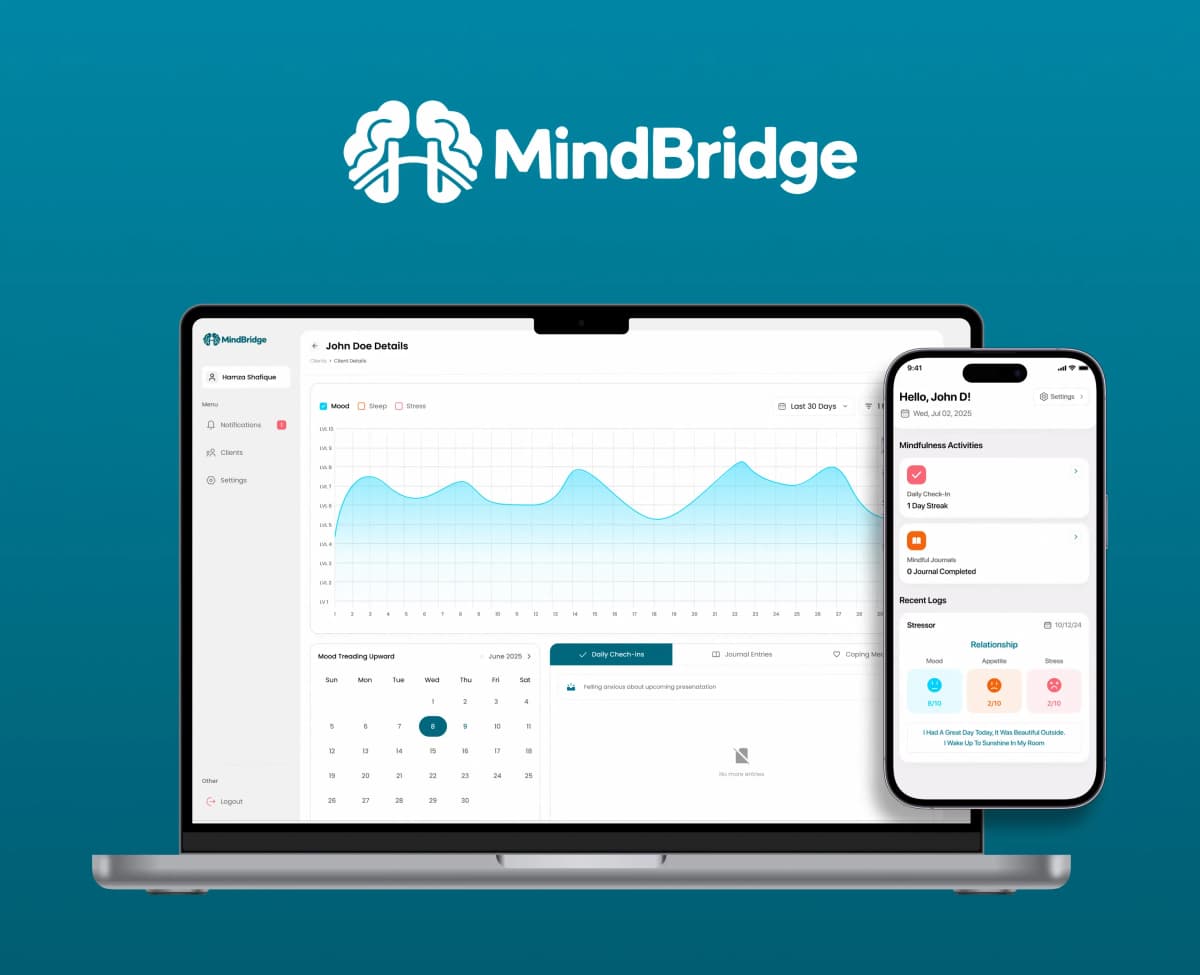
See how we help healthcare organizations solve complex product and technology challenges with practical, scalable solutions built around real clinical workflows.
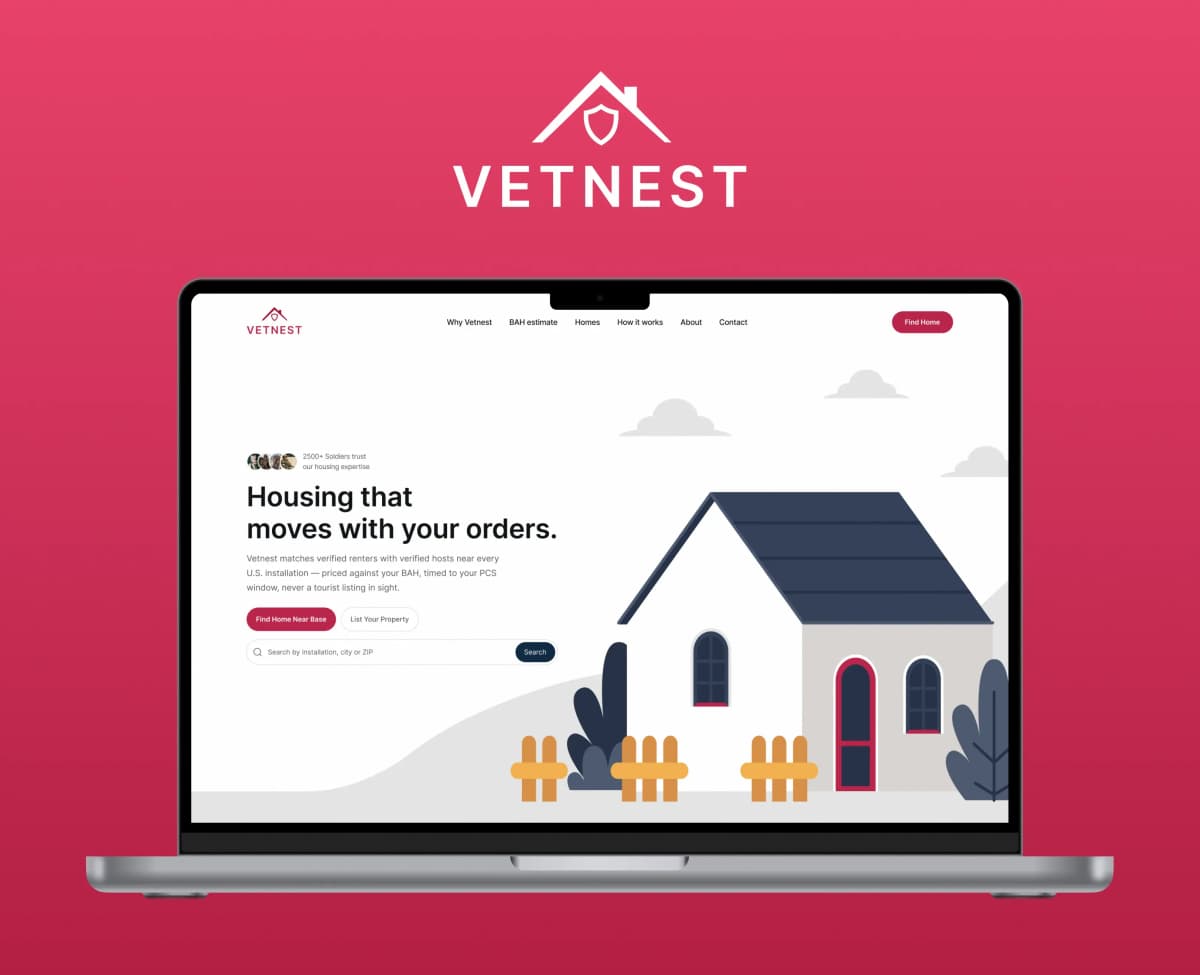

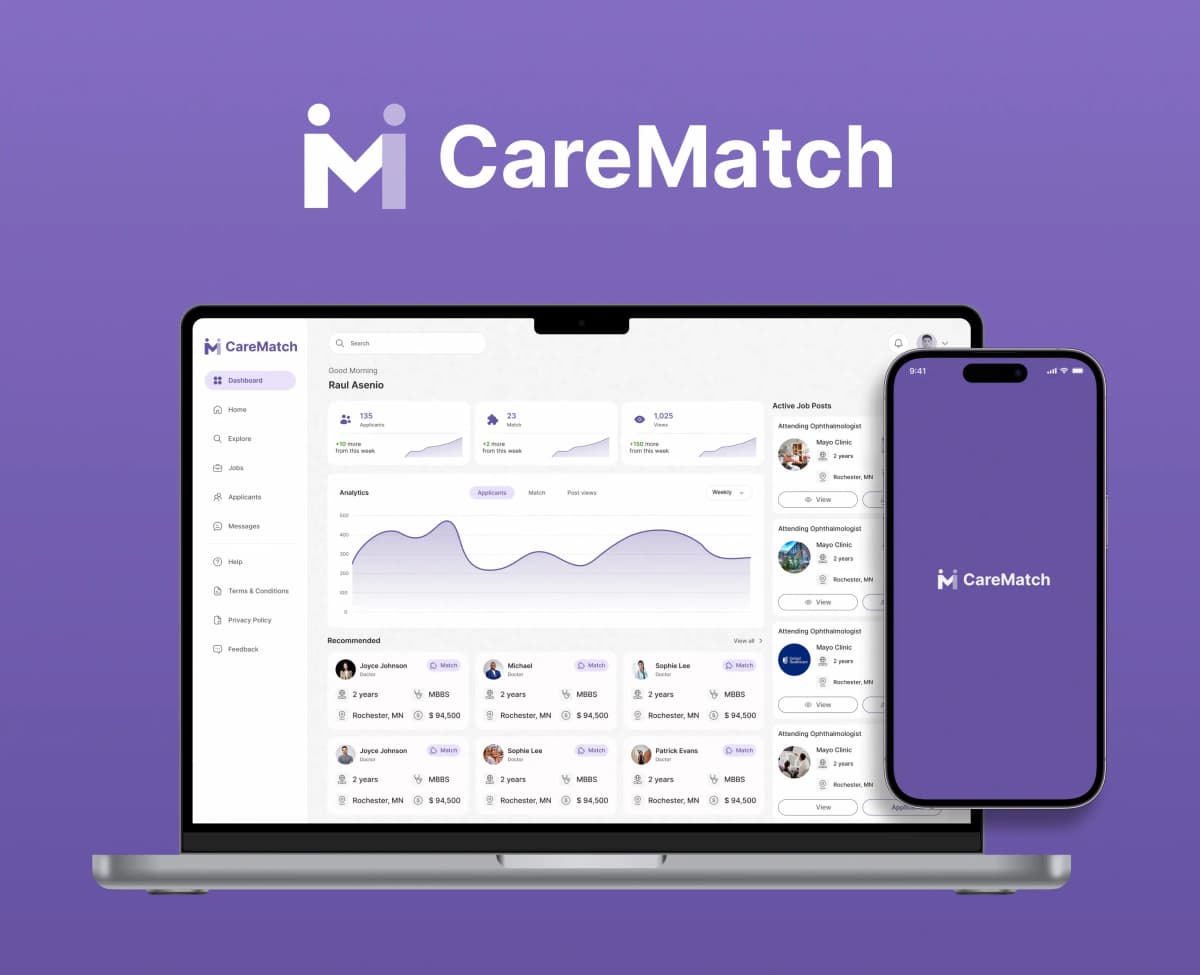
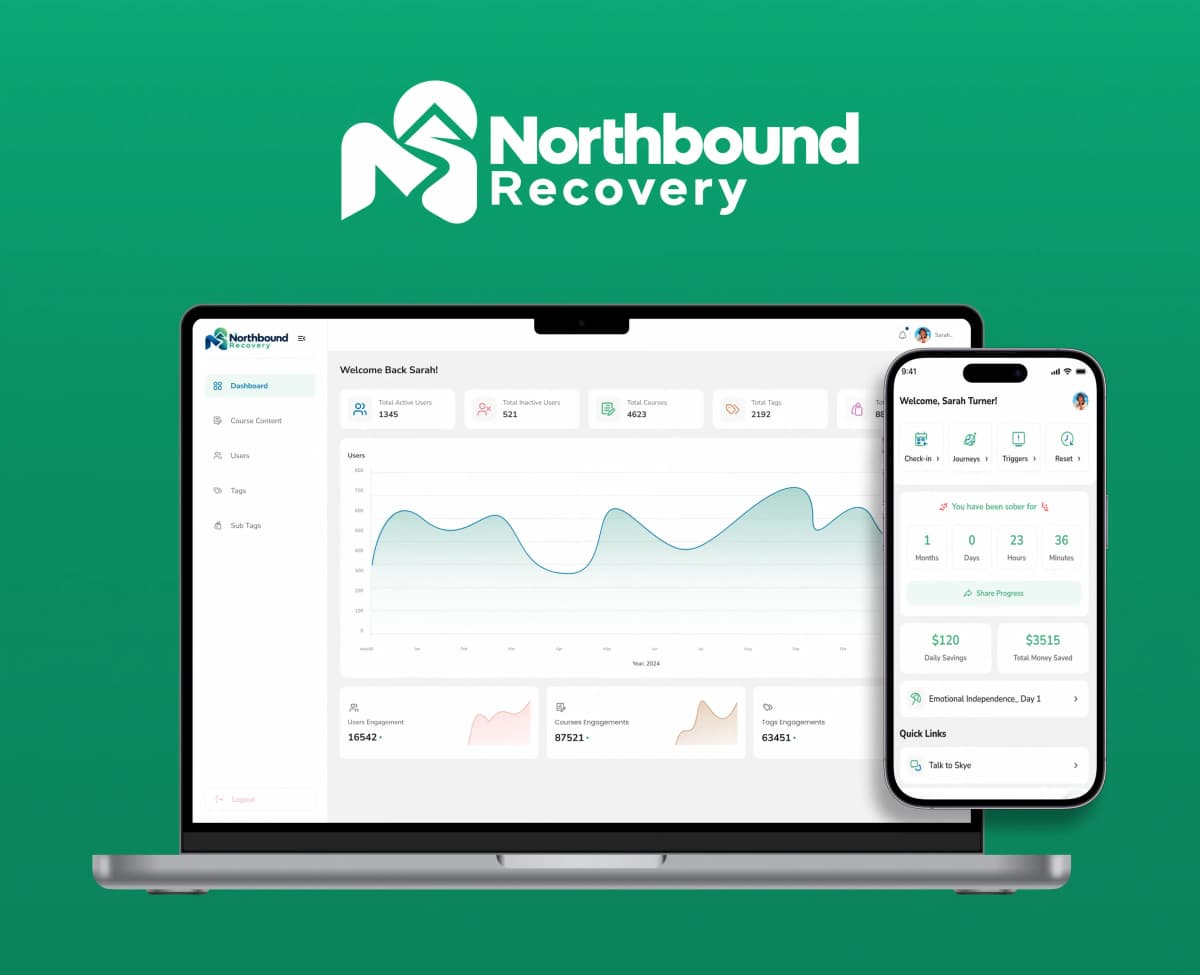
Fractional technical leadership creates the most value when a healthcare startup has moved beyond simple development decisions but is not yet ready—or does not yet need—to hire a permanent CTO.
Get an experienced technical perspective on architecture, engineering estimates, vendors, roadmaps, risks, and major technology decisions.
Create stronger technical ownership, priorities, development practices, and decision making without adding unnecessary management complexity.
Understand what proposed features will require technically and make better tradeoffs between scope, time, cost, complexity, and business value.
Build stronger architecture, processes, technical documentation, team structures, and engineering foundations before growth makes existing problems harder to solve.
It can make sense when technical decisions are becoming increasingly important but the company is not ready for a full-time CTO. Common triggers include growing engineering teams, complex integrations, scaling challenges, investor technical questions, architecture decisions, or difficulty connecting product strategy with engineering execution.